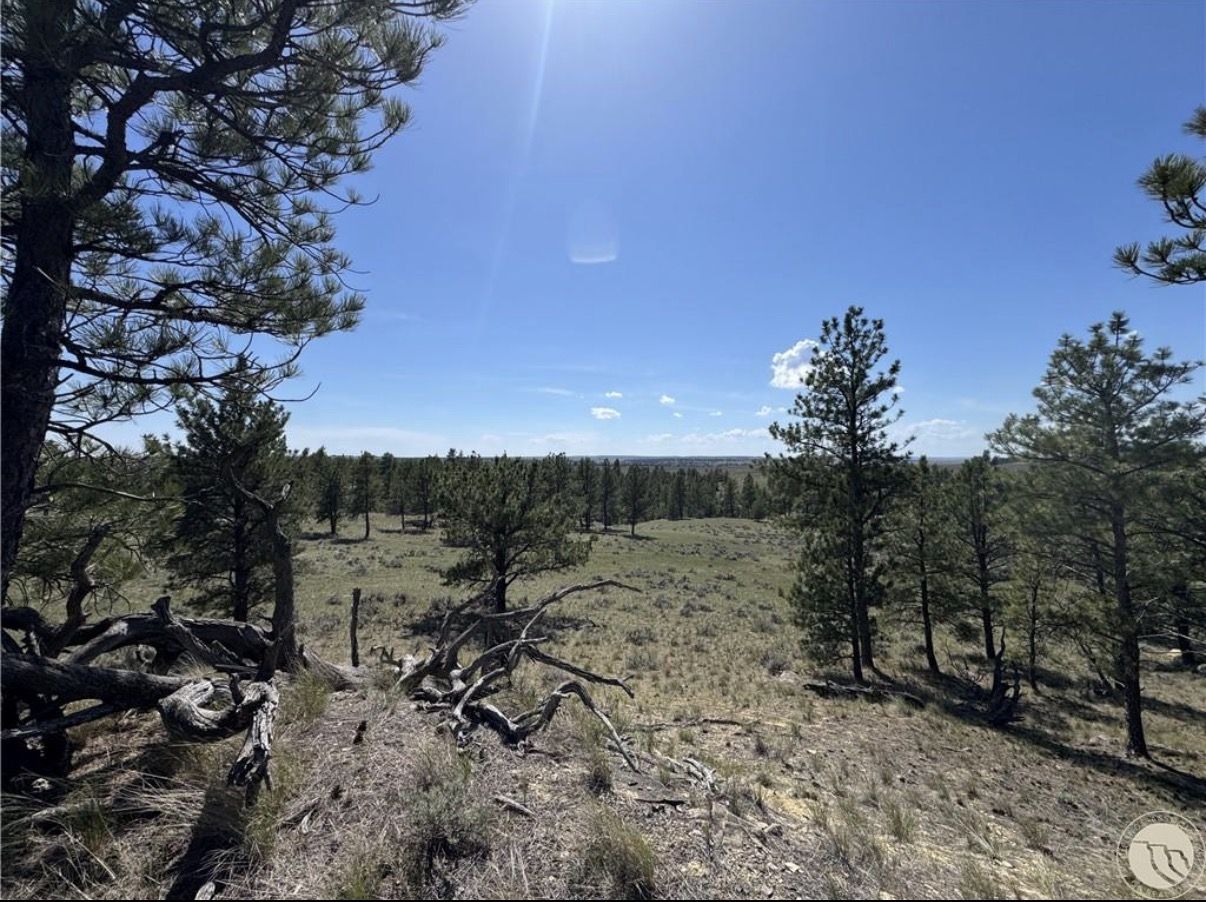
This is the story of Sumatra Hysham 640, a 640-acre property in Treasure County that I helped an out-of-state buyer purchase in 2026. It shows why the details of Montana's landowner preference rules matter before you buy, not after.
What my buyer needed
My buyer already owned land in the heart of the Bull Mountains, with better elk hunting than most places he had looked at. What it didn't have was enough acreage to qualify for landowner preference on the elk permit there. He wanted a second property that would.
Why the district map wasn't the whole answer
Landowner preference for a special elk permit in Montana starts with owning 640 acres of contiguous land that elk use. FWP's 2026 rules add two details that matter here: preference applies only to your first-choice hunting district, and "If the permit or license covers only part of a hunting district, some of the land owned by the applicant must be within the boundaries of that portion."
A permit and a hunting district aren't always the same piece of ground. The 590-20 elk permit is the permit for Hunting District 590, which includes the Bull Mountains, and its boundary also takes in part of Hunting District 701. Sumatra Hysham 640 sits right on that line, inside the part of 701 that falls under the 590-20 permit. That put it under the same permit as my buyer's other land.
How I confirmed it
I read the permit boundary in FWP's hunting regulations, then called the FWP Region 7 office to confirm it before my client made an offer. I didn't want him buying a property for a reason we weren't sure about.
Next I checked the property on the Montana Cadastral, the state's property-records map, to make sure the tax records showed a full 640 acres in one block. A property that comes up a few acres short, or is split by a parcel it doesn't own, doesn't meet the contiguous-acreage rule.
Making the offer
The property was listed and had been on the market only a few days when we wrote our offer. I worked directly with the listing agent, pulled comparable sales in the area, and talked with other agents who had sold land nearby. Montana is a non-disclosure state, so that legwork is how you learn what land is actually selling for. We came to the table with a fair offer, and it was accepted.
What I checked on the ground
My buyer lives out of state, so during the due-diligence period I walked the property for him and checked:
- Fences and boundary lines
- The small improvements on the property
- Stock water tanks
- Roads and access across the property
- The well logs, for the well's recorded flow and water quality
Where it stands
We closed in June 2026, after that year's April 1 deadline for landowner preference on special elk permits, so his first chance to apply with preference on the 590-20 permit is the 2027 drawing. Landowner preference improves the odds; it doesn't guarantee a permit. Montana law sets aside 15 percent of the special elk permits in a district for qualifying landowners, and they still go through the drawing.
If you're buying land for landowner preference
- 640 contiguous acres. FWP defines contiguous as "uninterrupted by adjacent private, state, or public land." Verify the acreage in the tax records or on the Montana Cadastral, not just the listing.
- Elk have to use it. Some of the land must be used by elk, as documented by FWP.
- Check the permit boundary, not just the district map. A permit can cover only part of a district, or reach into a neighboring one.
- First choice only. Preference applies only to your first-choice hunting district, and you can't apply as part of a party.
- Own it before the deadline. FWP needs a deed or a current tax bill; a purchase contract isn't accepted. For special elk permits, the 2026 deadline was April 1.
- Lessees don't qualify. Only landowners do.
These rules can change from year to year. Confirm them with FWP for the year you're buying, and call the regional office if a property sits near a district or permit line. Sources: FWP 2026 Landowner Preference form; MCA 87-2-705. You can see this deal with my other closed transactions on my homepage.
This case study is general information, not legal or hunting-regulation advice. Hunting district and permit boundaries and landowner preference rules change; confirm current requirements with Montana Fish, Wildlife & Parks for your property.