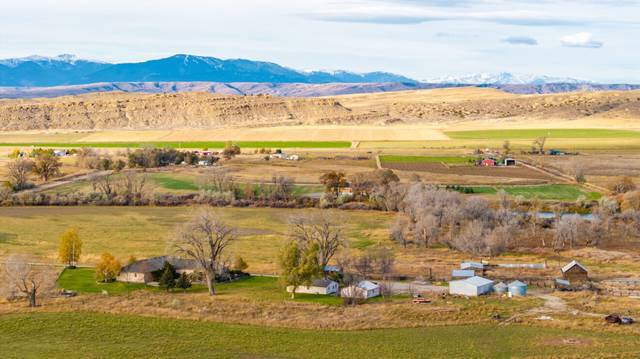
A per-acre number gets quoted on every ranch, but it is shorthand. The real value comes from how a property's pieces add up, and in eastern and central Montana that usually means both its ag value and its hunting value.
Water and irrigated acres
On working ground, water is usually the biggest single factor. An irrigated hay meadow with a senior water right produces feed every year in a way dryland can't. Look at the water right documents and the priority dates, not just the ditch.
Carrying capacity and forage
For an operation, the practical question is how many animals the place will carry and for how long. Soil, rainfall, irrigation and grazing history all feed into that. Ask for actual production records: hay tonnage, stocking history, lease records. Don't rely on an estimate.
Hunting and recreational value
Across much of Montana, recreational value now runs alongside agricultural value and sometimes ahead of it. Big game, river or creek frontage and neighboring public land all draw buyers. That value is real, but different buyers weigh it differently, which is one reason ranch prices vary more than house prices.
Landowner preference can be part of it. A property with enough acreage to qualify for elk preference can draw a different buyer than one just under the line. I've had a client sell one place and buy another for exactly that reason: End of the Road Ranch near Roundup into Sarpy Creek Ranch in Treasure County, through a 1031 exchange.
Improvements
A sound house, working corrals, good fence and useful outbuildings add value. Ranch buyers usually weigh them against what it would cost to build or fix, not by the square foot. When I helped a buyer evaluate Alpenglow Ranch near Bridger, the question wasn't how nice the corrals looked. It was whether they would work cows the way the buyer planned to run them.
Access and location
Legal, all-season access, road maintenance and the distance to a town with services all show up in price. A remote place with an access question will sell differently than a similar place with a clean county road.
Minerals
Ask early whether mineral rights convey and whether anything is leased or producing. It doesn't always change the deal, but it should be part of the conversation.
How ranches get compared
No two ranches are alike, so value comes from recent sales of similar properties, adjusted for water, grass, improvements and recreation. An agent who works this ground should be able to walk you through those factors. For a formal valuation, bring in a certified appraiser who works with agricultural and recreational land.
An asking price also has to answer to the market. On Ponderosa 20, a 20-acre cabin property in Fergus County, the market told us we were priced too high. We talked through the options with my sellers, lowered the price, and that brought the offer that closed. Montana is a non-disclosure state, so sold prices aren't public. Recent sales knowledge comes from working this ground, and that's part of what you're hiring an agent for.
This article is general information, not legal, tax, water-rights or appraisal advice. Rules change; confirm current requirements with the agency or a qualified professional for your property.